-
Horns and Quarter Wave Stubs for Flattening MEMS Microphone Frequency Response
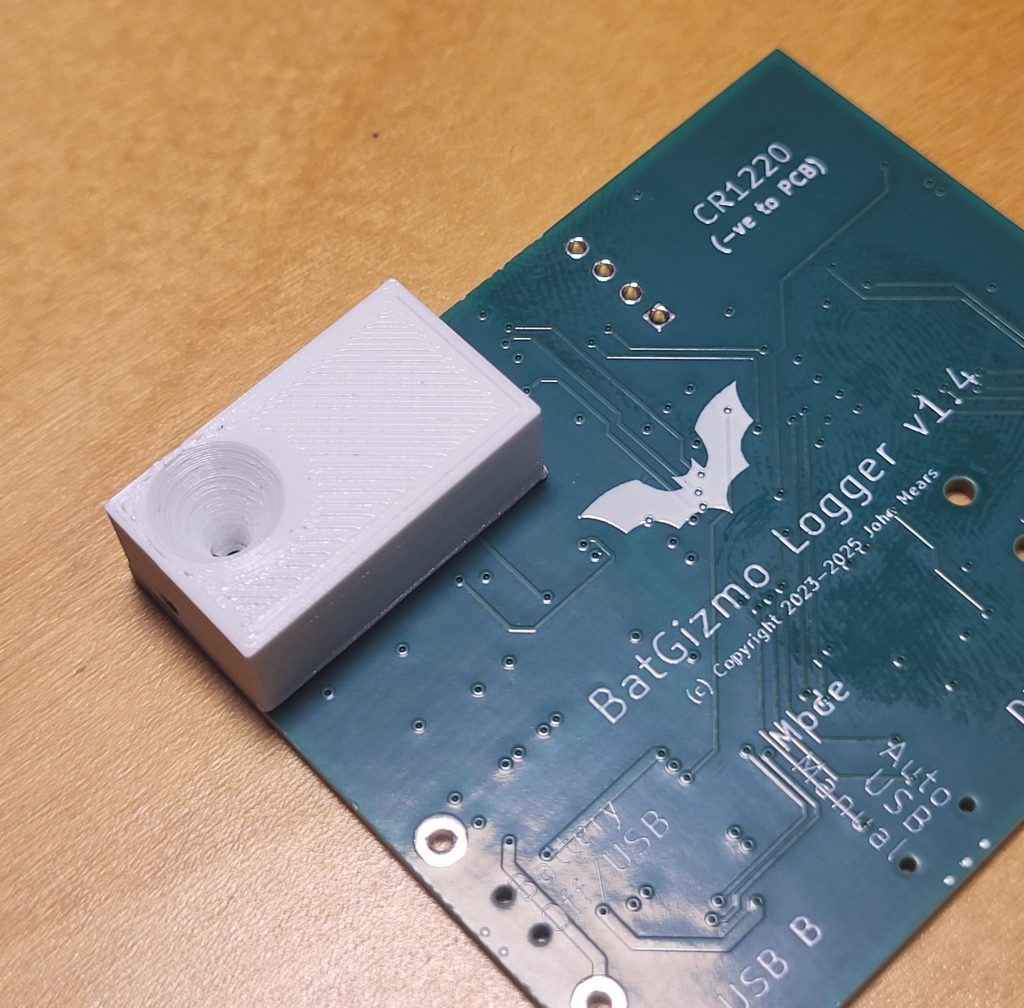
Updated on 2026-02-13 with the quarter wave stub tuned to 20 kHz to markedly reduce an undesirable microphone sensitivity spike. The result is a very useful flattening of the MEMS microphone frequency response. Over recent years, a number of low to medium cost bat detectors have become available, including commercial products, open source designs and…
-
The Bats of Egrove Park (part 1): Diversity
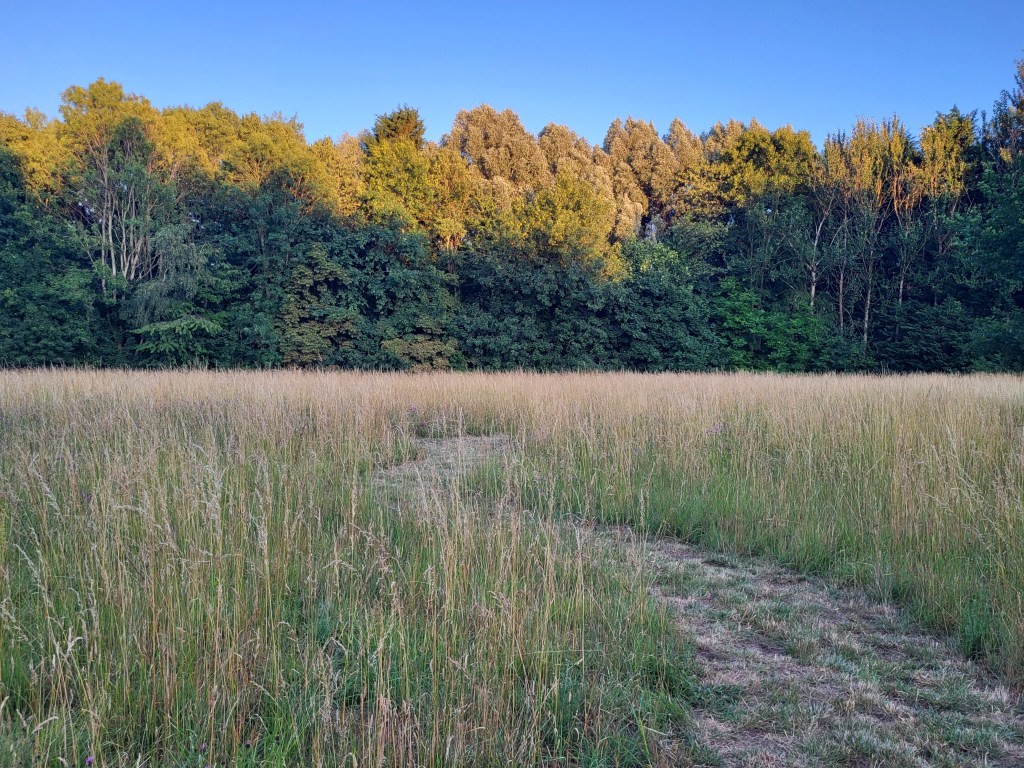
The second part of the this blog series can be found here. Summary Egrove Park provides a range of habitats including woodland, meadow and water. The site is managed for wildlife. Woodland areas provide roosting opportunities for bats, with paths and other shaded linear features providing access to extensive mature woodland and wetland habitats. In…
-
Reflecting on Bats over Water
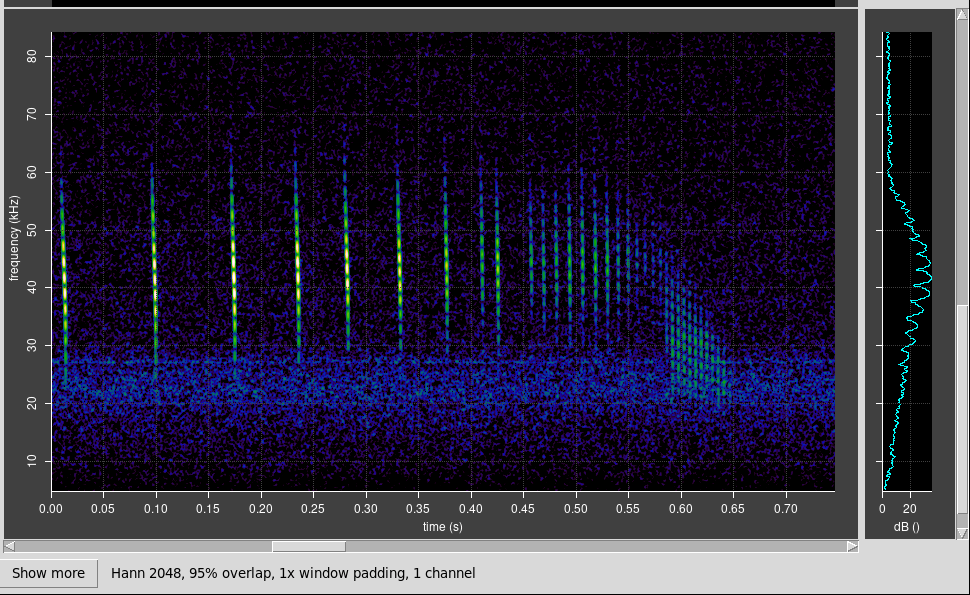
Pun intended. It’s common to see bright and dark bands in spectrograms of bats flying close to reflective surfaces. Typically, they are seen with Daubenton’s bats flying low over water, but can also seen with any bat species flying near a reflective surface, when the resulting echo overlaps the original chirp. The explanation is straightforward.…
-
Accessing the BTO Acoustic Pipeline from Linux

The BTO Acoustic Pipeline is a cloud hosted system for automatically classifying birds, bats and other wildlife in both audible and ultrasonic sound recordings. It uses AI that has been trained on a huge collection of sample data, and is one of the best systems of its kind. Even better, it is free to use…
-
BatGizmo – A Full Spectrum Bat Detector

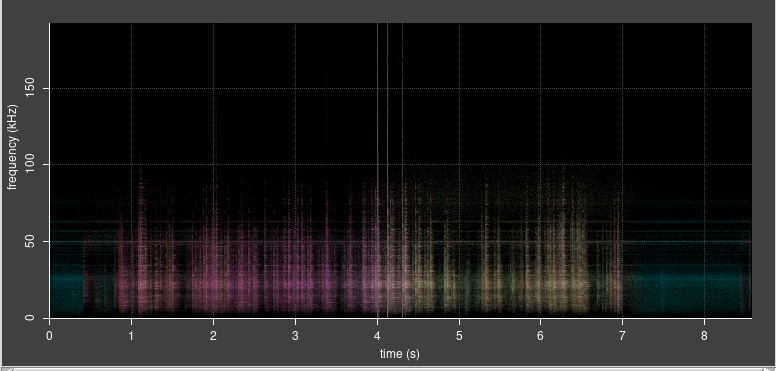
The BatGizmo is a full spectrum bat detector that I started work on during covid lockdown. This page outlines the design decisions that I took, including both the successful and the less successful ones. My hope is that this will prove useful to others. Gallery Spectrograms are rendered with batogram. Aims My aim was to…
-
The Bats of Dore Abbey
Dore Abbey is confusingly to be found by the village of Abbey Dore, near the river Dore in the Golden Valley, Herefordshire, close to the border between England and Wales. The name probably originates with the Normans confusing the Welsh dŵr (water) with the French d’or (of gold). The same naming confusion exists in connection…
Travels with my bat detector.

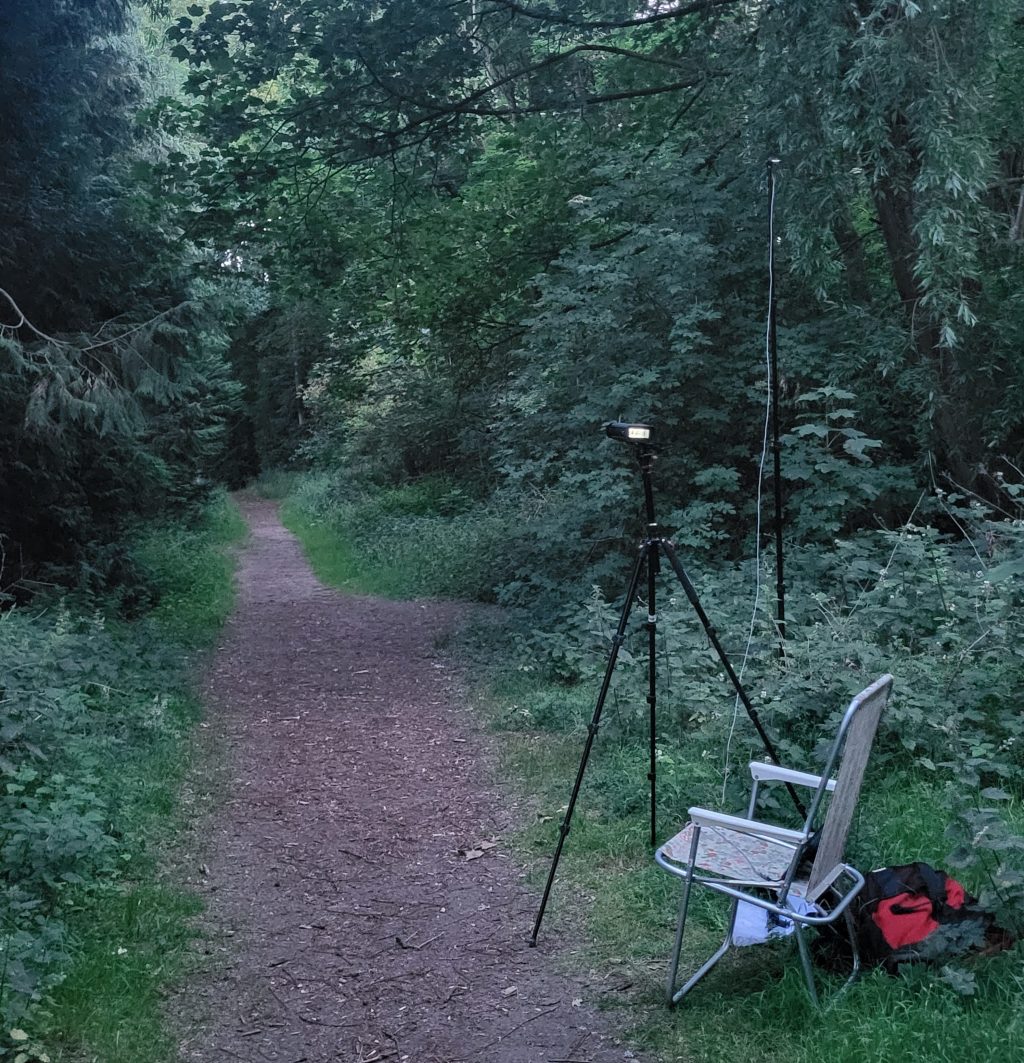
 Twilight Travels